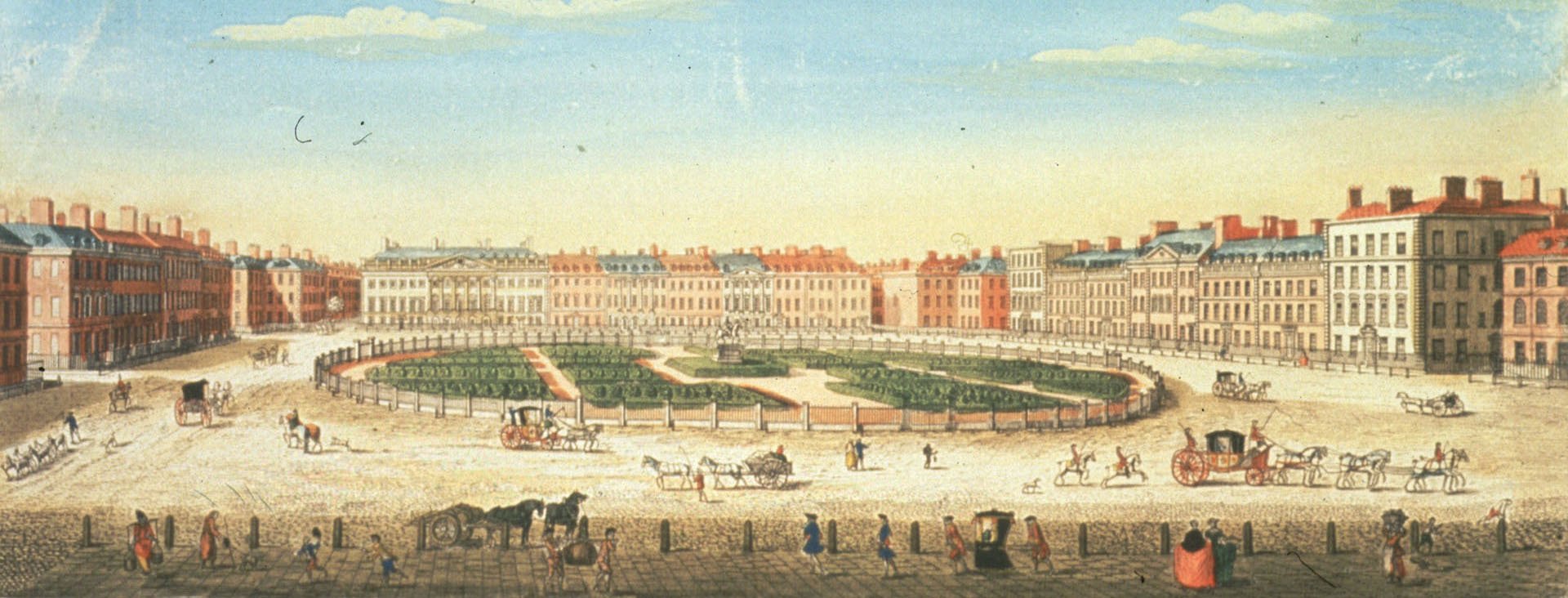
The Legacy of Grosvenor Square
Delve into the fascinating history of Grosvenor Square, a key highlight in the expansive Grosvenor estate.
- Historical significance
- Architectural development
- Cultural influence
- Modern renovation
Discover how the Grosvenor family's legacy began in 1677 with strategic marriages and investments, leading to the development of London's iconic areas Mayfair and Belgravia.
The impact of Grosvenor on urban property and community development is profound. Known for its pivotal role in real estate and philanthropy, Grosvenor estate and Grosvenor Group stand as testimonies to a legacy of excellence. This article aims at exploring the rich history and contemporary operations of the Grosvenor brand, shedding light on its significance in various sectors.
The origins of the Grosvenor family date back to 1677 when Sir Thomas Grosvenor married Mary Davies, a heiress to substantial lands. This union marked the beginning of their dominance in London's landscape. Through the clever acquisition of approximately 500 acres in prime regions, the family established themselves firmly in the real estate domain, with Mayfair and Belgravia emerging as prestigious addresses.
Investments in various resources such as coal and lead mines significantly boosted their wealth. These milestones paved the way for their evolution into one of the wealthiest families in Europe, setting foundations that would carry through generations.
Grosvenor Group Limited, headquartered in London, is an internationally diversified property group originating from these significant historical events. With operations across the UK, Asia, and Australia, the group has adapted to market changes since its strategic pivot in 1952 when key assets in Pimlico were sold off.
Today, the Grosvenor Group plays a significant role in urban regeneration and serves as a prominent figure in the property landscape.
Grosvenor Group Limited is renowned for its diversified property initiatives, spanning diverse geographical locations and sectors, rooted in a profound historical legacy.
Operating in the UK and beyond, it is committed to sustainable development and community engagement through their philanthropic arm, the Westminster Foundation.

Recent years have seen Grosvenor Estate initiate various heritage preservation and sustainable development projects. Their urban regeneration efforts aim to meld contemporary living with historical preservation, showcasing how modern designs can coexist with the past.
Such forward-looking initiatives ensure the Grosvenor estate continues to thrive and contribute positively to the urban environment.
Grosvenor embraces a legacy of excellence, showcasing its historical significance and modern operational successes through various sectors. The brand's ongoing commitment to real estate, philanthropic efforts, and cultural contributions ensures its pivotal role in shaping positive urban environments. As Grosvenor continues to evolve, its influence on property management, community engagement, and the arts stands strong.
We are grateful for the support of our sponsors who empower us to deliver insightful and comprehensive content.


Delve into the fascinating history of Grosvenor Square, a key highlight in the expansive Grosvenor estate.
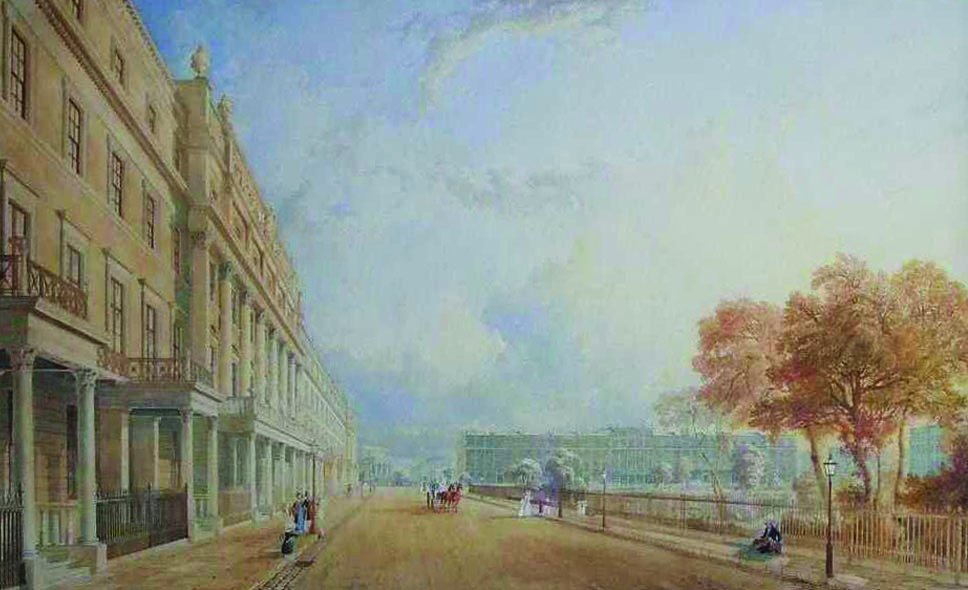
Explore how Belgravia transformed over the years from marshy lands to prime real estate.
Grosvenor's dedication to sustainability is reflected in new projects focusing on green energy and smart city solutions.
Balancing heritage preservation with innovative urban solutions remains the focus of Grosvenor's development strategy.
Grosvenor's commitment to social responsibility is evident through the initiatives led by the Westminster Foundation, aiming at supporting local communities.