What is Spread Ex?
Spread ex is the price differential between two related values in trading, crucial for determining transaction costs.
Understanding different types of spreads is crucial for trading profitability.Bid-ask spreads reflect market liquidity and transaction costs.Forex spreads are influenced by market conditions and broker models.Spread strategies can provide hedging benefits and profit opportunities.
The term "spread ex" is often used in financial markets to describe the difference or gap between two related prices, rates, or values—commonly referred to simply as a "spread." In trading, this concept is fundamental, as it reflects the discrepancy between the price at which an asset can be bought and the price at which it can be sold. The spread ex can refer to various contexts, such as the bid-ask spread in stocks, the difference between futures contracts, or the gap in yields between bonds. Understanding spread ex is essential for analyzing market trends, liquidity, and transaction costs, as it directly impacts the profitability and efficiency of trades across different financial instruments.
Understanding Spread
A spread in trading is the difference between the highest price a buyer is willing to pay (the bid) and the lowest price a seller is willing to accept (the ask). This gap represents a key cost in trading, embedded in the buy and sell prices, and affects the overall profitability of trades. For example, if a stock has a bid price of $10.00 and an ask price of $10.05, the spread is $0.05.
How Spread Works
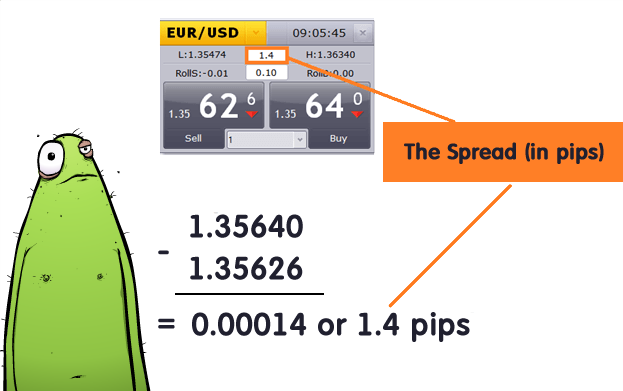
Spreads are calculated by subtracting the bid price from the ask price. In forex trading, spreads are measured in pips, which are small price movements typically at the fourth decimal point. For instance, if the EUR/USD bid is 1.1000 and the ask is 1.1003, the spread is 3 pips. In other markets, such as stocks or futures, spreads are measured in the currency of the asset. Market makers and brokers may add transactional costs to the spread, which can vary depending on the asset's liquidity, volatility, and supply and demand.
Importance of Spread in Trading
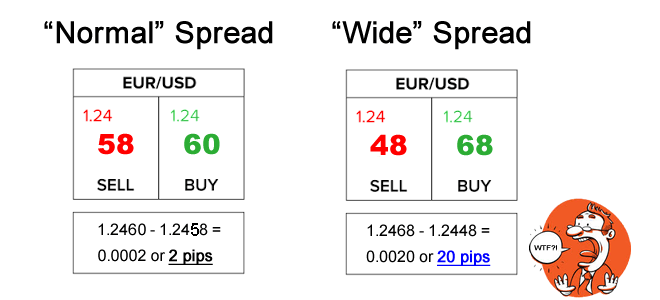
Understanding the spread is crucial for traders because it directly affects trading costs and profitability. A tight spread (small difference between bid and ask) indicates high liquidity and lower transaction costs, making it easier and cheaper to enter and exit trades. Conversely, a wide spread (large difference) suggests lower liquidity and higher costs, which can erode profits, especially for frequent traders. Spreads also provide insight into market sentiment and the efficiency of price discovery.
Significance of Spread Ex in Financial Markets
Spread ex is a key component in trading analysis, affecting costs and liquidity assessment.
Traders use spread information to gauge market conditions and optimize strategies.
- Bid-ask spread analysis helps in liquidity evaluation.
- Forex trading involves navigating various spread types.
- Spread betting allows speculation without asset ownership.
- Strategic spread trades exploit price differentials.
Types of Spreads
Bid-Ask Spread
The bid-ask spread is the most common type of spread in trading. It represents the difference between the highest price a buyer is willing to pay (bid) and the lowest price a seller is willing to accept (ask). This spread is a measure of market liquidity; a tight bid-ask spread indicates a liquid market with many buyers and sellers, while a wide spread suggests less liquidity and higher transaction costs.
Spread in Forex Trading
In the forex market, the spread is a critical factor because it represents the cost of trading currency pairs. Forex spreads are typically measured in pips and can be fixed or variable. Fixed spreads are offered by brokers operating as market makers, while variable spreads are provided by non-dealing desk brokers and fluctuate with market conditions. Spreads in forex can widen during periods of high volatility, such as important news announcements, which can increase trading costs and risk.
Strategies Involving Spread
Spread Betting
Spread betting is a form of derivative trading where traders speculate on the movement of an asset's price without owning the underlying asset. The spread in spread betting refers to the difference between the buy and sell prices quoted by the broker. Traders profit if the price moves in their favor, but they also incur costs based on the spread. Spread betting is popular in markets like forex and indices, but it carries significant risk due to leverage and the potential for losses exceeding the initial stake.
Spread Trade Strategies
Spread trading involves simultaneously buying one security and selling a related security, known as the "legs" of the trade. The goal is to profit from the widening or narrowing of the spread between the two securities, rather than from the absolute movement of their prices. Common spread trade strategies include:
- Calendar spreads: Buying and selling futures contracts with different expiration dates.
- Pairs trading: Buying and selling two highly correlated securities to profit from temporary price imbalances.
- Options spreads: Using call or put options with different strike prices to create a spread position.
These strategies are used to hedge risk, capitalize on market inefficiencies, or roll over expiring positions.
Conclusion
In summary, spread ex refers to the difference between two related prices or values in financial markets, such as the bid-ask spread in stocks or the gap between futures contracts. Understanding spreads is essential for traders, as it impacts transaction costs, liquidity, and profitability. Spreads can be tight or wide, fixed or variable, and their behavior provides valuable insights into market conditions. Whether in forex, stocks, or derivatives, spreads play a central role in trading analysis and strategy, making them a key concept for anyone involved in financial markets.
Our Valued Sponsors
Meet the leading companies supporting awareness and education about spread trading.

CMC Markets

Robinhood
Forex Spread
Wide Broker
Explore More Insights

Decoding the Bid-Ask Spread: A Trader's Guide
Gain insights into how bid-ask spreads impact trading and why they're a critical aspect of market dynamics.
- Impact on trading costs
- Significance in liquidity analysis
- Relevance in market trends
- Strategies to navigate spreads

Understanding Forex Spreads: A Comprehensive Overview
Learn about the intricacies of forex spreads and how they affect your currency trading strategies.
- Fixed vs variable spreads
- Economic announcements impact
- Choosing the right trading model
- Reducing trading costs with tight spreads
Latest in Financial Markets
Stay updated with recent developments in financial trading
Impact of Spread Changes on Trading Strategies
2025-11-01
Explore how altering spreads influence the profitability and timing of trading strategies, affecting traders worldwide.
Navigating Volatile Markets: The Role of Spreads
2025-10-15
Amidst turbulent market conditions, understanding spreads becomes crucial for traders managing risks and seeking opportunities.
Technological Advances in Spread Trading
2025-09-30
Discover the latest technologies enhancing spread trading efficiencies and the role of AI in predicting spread behaviors.