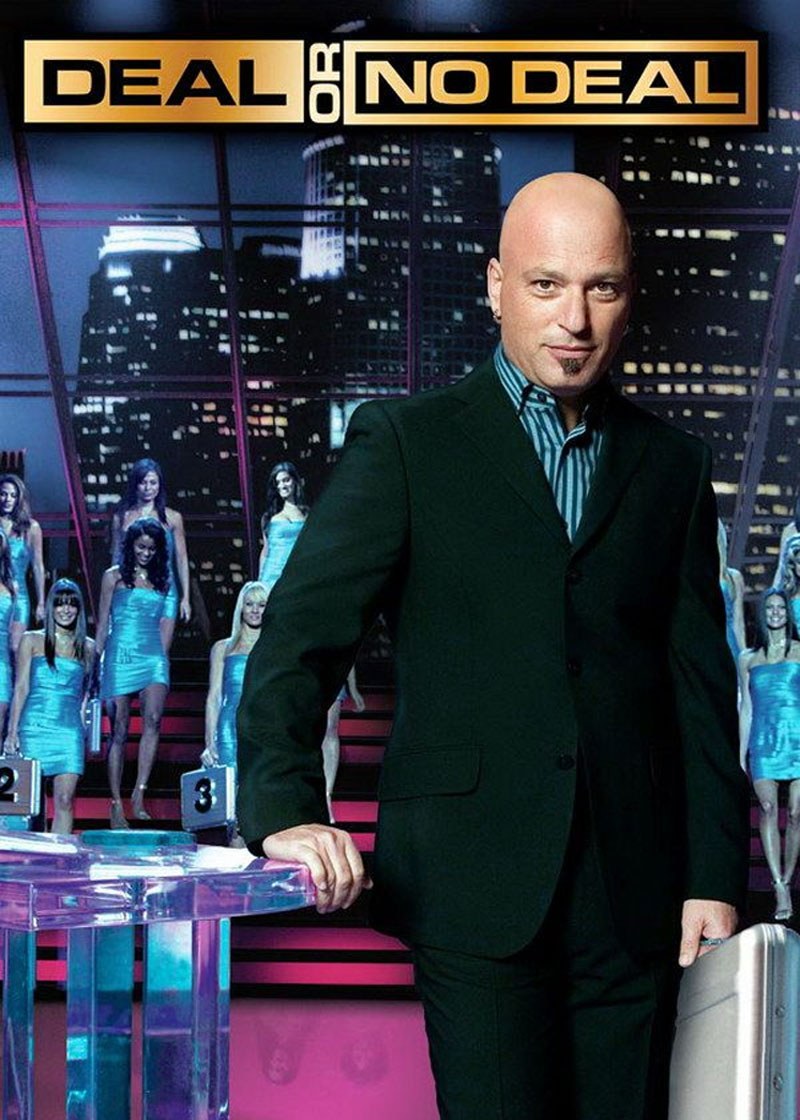
The Evolution of Game Shows
Explore how game shows like Deal or No Deal have transformed over the decades.
- History of game shows
- Impact on culture
- Technological advancements
- Future trends
Uncover the truth behind whether Deal or No Deal is live, its filming techniques, and why pre-recording is beneficial for the beloved game show.
The primary keyword is deal or no deal live addresses a common question among viewers about the nature of this popular game show. Deal or No Deal is not broadcast live but rather pre-recorded, which has been fundamental to how the show operates since its inception. This format decision has shaped the entire production and viewing experience of the program across its various international versions.
The pre-recorded nature of Deal or No Deal significantly impacts how the game unfolds and how results are presented to audiences. When a contestant accepts a deal and exits the game, the show continues to play out hypothetically to demonstrate what would have happened had they remained in play. This allows viewers to see both the outcome of the contestant's decision and the alternative scenario, adding an extra layer of dramatic tension to each episode. The pre-recorded format enables producers to include this comparative footage seamlessly without the constraints that live broadcasting would impose.
The filming process for Deal or No Deal is highly efficient and structured. By May 2006, the British version was being filmed Monday through Friday at a rate of fifteen episodes per week. The production schedule involved recording three episodes in a single day across two separate sessions: one episode filmed in the afternoon with one audience, followed by two episodes recorded in the evening with a different audience. This assembly-line approach to production allows the network to maintain a consistent broadcast schedule while managing costs effectively.
The show maintains continuity between episodes through its unique contestant structure. Twenty-two contestants participate in each recording session, with one selected to be the active player for that episode while the remaining 21 offer support and advice. These supporting contestants return for subsequent episodes, with only the previous episode's player being replaced by a new contestant. This rotating format creates a sense of ongoing community among participants across multiple tapings.
Production of Deal or No Deal involves a well-structured filming schedule, enabling efficient content creation and maintaining continuity.
Pre-recording offers significant advantages in terms of editing and allows seamless integration of narrative elements.

The pre-recorded format provides several advantages for production quality and viewer experience. Producers gain flexibility in editing and post-production, allowing them to fine-tune pacing and ensure optimal entertainment value. The format also enables the inclusion of the hypothetical outcome sequences, which would be impossible in a truly live broadcast. Additionally, pre-recording allows for multiple episodes to be captured efficiently, ensuring a steady supply of content for broadcast schedules year-round.
However, it's worth noting that the show has experimented with live elements. For a two-week period starting on October 10, 2011, the British version broadcast live episodes in place of its routine pre-recorded episodes. This demonstrates that while pre-recording is the standard format, the producers have tested live broadcasting as a special event variation.
Regardless of whether episodes are pre-recorded or live, the gameplay remains consistent across versions. A contestant selects one box or case that contains their potential prize, then systematically eliminates other boxes by choosing them for opening. Throughout the game, the mysterious "Banker" makes offers to buy the contestant's box based on the remaining values in play and the contestant's demeanor. The contestant must decide whether to "deal" (accept the offer and end the game) or "no deal" (continue playing and risk losing money). The game concludes either when a deal is accepted or when all other boxes have been eliminated, at which point the contestant keeps or can sometimes exchange their original box.
Deal or No Deal operates as a pre-recorded television program rather than a live broadcast, a format choice that has proven successful across multiple international versions of the show. The pre-recorded nature of is deal or no deal live answers definitively: the show is not live in its standard presentation, though it maintains all the dramatic tension and decision-making that makes it compelling viewing. This production approach enables efficient filming schedules, multiple episodes per week, and the inclusion of hypothetical outcome sequences that enhance the viewing experience. The pre-recorded format has become synonymous with the show's identity while still delivering the real stakes and genuine emotion that contestants and audiences find engaging.
Deal or No Deal is a popular game show where contestants choose boxes containing cash amounts and negotiate with a banker to sell or keep their chosen box.
Contestants select boxes to reveal the cash amounts inside while receiving offers from a banker. They must decide whether to take the deal or continue playing.
Yes, the show is produced under strict regulatory standards and has been a trusted game show format across many countries.
Viewers enjoy the suspense and excitement of the gameplay while experiencing the emotional highs and lows of contestants navigating their choices.
To participate, viewers can check local listings for the show or look out for live game app versions available in various platforms.
We are grateful for the support from our sponsors who help bring the exciting world of Deal or No Deal to life.




Explore how game shows like Deal or No Deal have transformed over the decades.

An in-depth look at how TV game shows are produced and the secrets of their success.