About Space Miners
Space miners are paving the way for the future of resource extraction beyond Earth, focusing on the Moon, asteroids, and other celestial bodies as terrestrial resources become scarcer.
Focus on celestial bodies like the Moon and asteroids.Extract valuable resources such as water ice and rare metals.Key players include AstroForge, Planetary Resources, and iSpace.Industries benefit from reduced launch costs and increased demand.Facing technical challenges and regulatory hurdles.
In the vast expanse of space, space miners are paving the way for the future of resource extraction beyond Earth. As terrestrial resources become scarcer and demand for rare materials grows, the focus is shifting to the Moon, asteroids, and other celestial bodies. This blog post explores the evolving role of space miners in the burgeoning market of extraterrestrial resource utilization, highlighting key technologies, players, market trends, and the challenges ahead.
The Rise of Space Miners
What is Space Mining?
Space mining refers to the extraction and utilization of resources from celestial bodies such as the Moon, asteroids, and Mars. These resources include water ice, rare metals (e.g., platinum, cobalt), oxygen, and even helium-3, which could power future fusion reactors. The process is often referred to as Space Resource Utilization (SRU) or In-Situ Resource Utilization (ISRU), where materials are either used directly in space or returned to Earth.
- Primary targets: Lunar regolith, near-Earth asteroids, and Martian soil.
- Key resources: Water, oxygen, iron, nickel, platinum-group metals, rare earth elements, and helium-3.
Key Players in the Space Mining Industry
Several companies are leading the charge in space mining, each with unique approaches and technologies:
| Company |
Focus |
Notable Projects/Technologies |
Funding/Status |
| AstroForge |
Asteroid mining |
Odin probe (2025), Vestri (planned) |
Over $50M in venture funding |
| Planetary Resources |
Asteroid mining |
Arkyd series, resource mapping |
Acquired by ConsenSys (2018), legacy tech still influential |
| iSpace (Japan) |
Lunar mining |
Water and mineral extraction |
Active lunar missions planned |
| OffWorld |
Universal mining robots |
Autonomous swarms for Moon/asteroids |
Developing industrial robots |
| Asteroid Mining Corporation (UK) |
Asteroid survey |
El Dorado satellite (launched 2023) |
Broad spectral survey of 5,000 asteroids |
| ArianeGroup/ESA |
Lunar mining |
Study contracts for lunar operations |
Collaboration with PT Scientists, Space Applications Services |
Industry Insights
The space mining industry is rapidly advancing with technologies like robotic mining systems, AI, and big data analytics poised to redefine resource extraction.
Market projected to grow from USD 1.90 billion in 2024 to 5.02 billion by 2030, driven by demand for rare earth elements and sustainable practices.
- Robotic mining systems for autonomous excavation.
- AI technologies for resource mapping and operation.
- Big data analytics optimizing mining operations.
- Modular spacecraft enabling scalable missions.
- Market size: Projected to grow from USD 1.90 billion in 2024 to about USD 5.02 billion by 2030, at a CAGR of 17.9%.
- Key drivers:
- Rising demand for rare earth elements and precious metals.
- Falling launch costs (e.g., SpaceX, Rocket Lab).
- Government and private sector interest in lunar and asteroid missions.
- Growing need for sustainable resource extraction.
Technologies Used by Space Miners
Mining Equipment and Techniques
Space miners are developing cutting-edge technologies to facilitate resource extraction:
- Robotic mining systems: Autonomous robots for excavation, processing, and transport.
- Autonomous spacecraft: For resource identification, sample collection, and in-space refining.
- Modular and scalable platforms: For flexible mission architectures.
- Remote operation and automation: Minimizing human involvement in high-risk environments.
Innovations in Resource Extraction
Notable innovations enabling more efficient mining include:
- Optical Mining® for extracting volatiles.
- Magnetic docking for efficient material transfer.
- In-situ refining processes allowing for on-location processing of resources.
- 3D printing and on-site manufacturing for building infrastructure and tools from local resources.
Challenges Faced by Space Miners
Technical and Ethical Challenges
Space miners face numerous technical hurdles, including:
- Extreme environments (radiation, temperature, vacuum).
- Autonomous operation over long distances.
- Efficient extraction and processing in microgravity.
- Reliability of robotic systems.
Additionally, ethical considerations arise, such as:
- Ownership and rights to extraterrestrial resources.
- Potential for conflict over resource-rich areas.
- Impact on celestial bodies and the space environment.
Regulatory and Environmental Considerations
The regulatory landscape governing space mining is complex and evolving:
- Outer Space Treaty (1967) prohibits national appropriation but allows resource use.
- U.S. Commercial Space Launch Competitiveness Act (2015) allows private ownership of extracted resources.
- Ongoing international discussions on space mining regulations.
- Environmental impacts of mining operations on celestial bodies, necessitating sustainable practices.
Future of Space Mining
Trends and Predictions (2025–2030)
The future of space mining appears promising as several trends emerge, including:
- Increased commercial activity with more private companies entering the space mining sector.
- Advancements in autonomy and AI, improving mining efficiency.
- Upcoming missions and significant developments in lunar and asteroid mining.
- Growing collaboration between governments and private enterprises.
Space Miners in Pop Culture
Space miners are often depicted in media locales such as films and video games. These portrayals can significantly shape public perception — they are both romanticized and indicative of potential challenges.
- Examples include films like The Expanse and video games like Elite Dangerous.
- The public's interest is often boosted by such representations, which highlight the excitement and prospects of space mining.
Conclusion
Space miners are at the forefront of a new era in resource extraction, with the potential to revolutionize industries and enable sustainable space exploration. As technology advances and the market grows, the challenges of space mining will be met with innovation, collaboration, and careful regulation. The future of space mining is not just about extracting resources; it’s about building a sustainable presence in space and ensuring that the benefits of space exploration are shared by all.
Our Sponsors
We are proud to partner with leading organizations in the space mining industry committed to advancing the future of extraterrestrial resource extraction.

Employer A

Employer B

Employer C

Interesting Engineering
Latest Articles
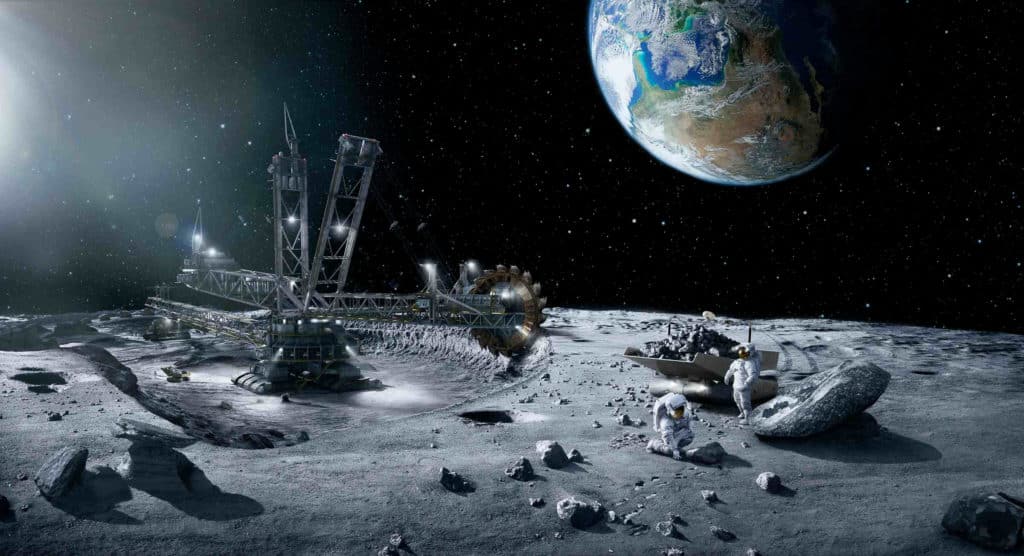
Mining the Moon: A New Frontier
Explore the technological advancements and challenges in lunar mining and what it means for future space exploration.
- Lunar regolith processing
- Water extraction techniques
- Challenges in lunar environments
- Future of lunar exploration
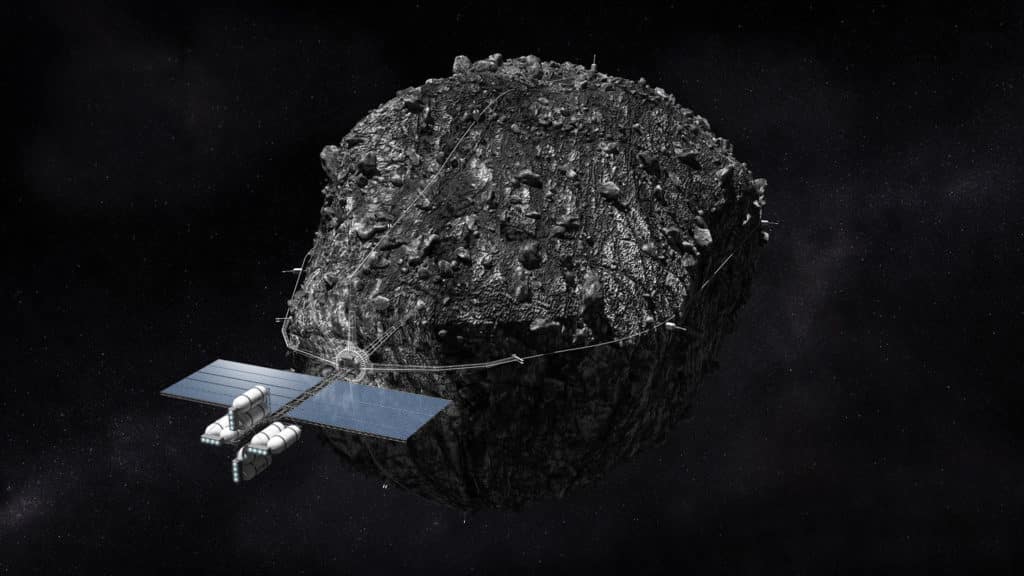
Asteroids: The New Gold Rush
Delve into asteroid mining operations, key players, and the potential impact on global resource markets.
- Asteroid composition analysis
- Mining technologies overview
- Market potential insights
- Regulatory challenges ahead
Space Mining News
Stay Updated with the Latest Developments
First Commercial Lunar Mining Mission Announced
2025-11-27
A major milestone in space mining as the first commercial lunar mining mission is set to launch, paving the way for sustainable lunar resource extraction and utilization.
AstroForge's Revolutionary Optical Mining® Technology
2025-11-21
AstroForge has unveiled its new Optical Mining® technology, which promises to revolutionize the extraction of volatiles from asteroids, significantly reducing costs and increasing efficiency.
International Consensus Building on Space Mining Regulations
2025-11-14
International discussions are underway to establish a regulatory framework for space mining activities, aiming to balance commercial interests with ethical considerations.