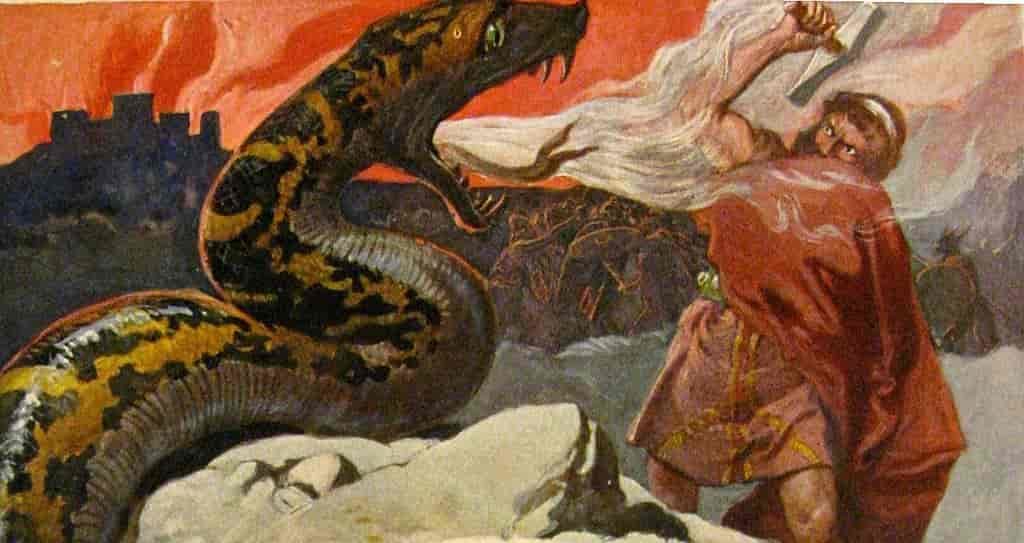
Thor’s lightning is a crucial element in Norse mythology, representing his immense power and protective role over gods and humans. As the Norse god of thunder, storms, and strength, Thor is one of the most prominent and beloved deities in the pantheon. His association with lightning is not only a symbol of his divine authority but also a reflection of the natural forces that shaped the lives of ancient Scandinavians. Thor’s lightning was seen as both a destructive and life-giving force, embodying the dual nature of storms—capable of devastation but also essential for fertility and protection. This duality made Thor a central figure in Norse mythology, revered for his ability to defend the world from chaos and ensure the prosperity of the land.
Introduction
Thor’s lightning symbolizes strength, protection, and the power of nature. In Norse mythology, lightning was not just a natural phenomenon but a manifestation of Thor’s wrath and his battle against the forces of chaos. The thunder and lightning were believed to be the result of Thor riding his chariot across the sky, with lightning leaping from his hammer, Mjolnir. This imagery reinforced Thor’s role as a protector, as his lightning was thought to drive away evil spirits, trolls, and giants, ensuring the safety of both gods and humans.
Understanding Thor's Lightning
The Symbolism of Thor's Lightning
The connection between Thor’s lightning and agricultural fertility is also significant; the storms he controlled brought the rain necessary for crops to grow, making him a patron of farmers and a symbol of life and abundance. The intense storms and flashes of lightning were not only understood as signs of Thor’s presence but also as harbingers of good fortune for harvests, linking Thor’s mighty presence directly with the success and prosperity of farming communities.
Mjolnir: The Hammer of Lightning
Mjolnir, Thor’s hammer, serves as one of the most potent symbols in Norse mythology, emphasizing his dominion over lightning. Forged by dwarves, Mjolnir embodies the fusion of exceptional craftsmanship and divine authority. This hammer is not merely a weapon for battle; it signifies Thor’s divine power and connection to the forces of nature.
The hammer is renowned for its role in mythological narratives where it is used against the giants. The lightning that accompanied Mjolnir symbolizes Thor’s readiness to maintain order and protect the cosmos from the chaos represented by these ancient foes. Additionally, Mjolnir has the unique ability to return to Thor’s hand after being thrown, aligning with the idea of cyclical nature—death and rebirth—which is a recurring theme in mythological stories.
Cultural Significance of Thor's Lightning
Thor’s lightning was both revered and feared among the ancient Scandinavian cultures. Communities looked to him for protection, believing he held the power to ward off chaos and malevolent forces. Thor’s cult gained particularly strong traction during the Viking Age, where his symbols were woven into the spiritual fabric of daily life.
- Mjolnir amulets: Worn by warriors and farmers alike as protective charms.
- Place names: Many locations in Scandinavia honor Thor directly—demonstrating the lasting legacy of his worship.
- Personal names: Surnames and first names inspired by Thor's name ensure his divine presence persists through generations.
These cultural practices illustrate how the imagery of Thor’s lightning and Mjolnir permeated various aspects of life, from agriculture to warfare, solidifying Thor’s status as a primary deity in Norse belief. As settlers transitioned from paganism to Christianity, these symbols became further entrenched as they represented resilience against changing times and faiths.
Thor's Lightning in Mythology
Key Myths Featuring Thor's Lightning
Several pivotal myths underscore Thor’s connection to lightning, illustrating his valiant battles against giants and forces of chaos. The story of how Thor retrieves his hammer Mjolnir from the giant Thrym is one of the most famous tales highlighting this connection. In an act to reclaim his hammer, which symbolizes his power, Thor disguises himself as Freyja and infiltrates the giant’s hall. The moment he throws Mjolnir at his enemies, the destructive power of lightning takes center stage, emphasizing Thor’s role as the protector of the cosmos.
The Concept of Ragnarök and Lightning
In Norse mythology, Ragnarök represents an apocalyptic scenario where chaos ultimately challenges the order established by the gods. Thor is destined to engage in a fierce combat against the forces of chaos, embodied by the Midgard Serpent. The prophesied battle will see Thor wielding his lightning as a tool of both destruction and renewal.
The narrative around Ragnarök emphasizes the cyclical nature of creation and destruction, demonstrating that Thor's lightning is not solely about annihilation; it also signifies the hope for new beginnings. After battling the serpent, Thor’s legacy and the resurgence of order after destruction encapsulate the continuous struggle of existence against chaos—reinforcing his image as a protector and champion of the gods.
Modern Interpretations of Thor's Lightning
Thor in Popular Culture
The depiction of Thor within modern media has transformed him into a cultural icon that transcends mythological roots. Movies and comic books have popularized Thor's image, showcasing his lightning not just as a mythological element, but as a portion of a superhero narrative. The evolution of his character reflects the duality of lightning as a weapon and a force for good, stimulating a renewed interest in Norse mythology among younger generations.
- Marvel Comics and Films: Thor is displayed as a central figure, emphasizing his command over lightning as both a weapon and a symbol of protection.
- Merchandising: Products featuring Thor’s image—including toys, clothing, and decor—connect audiences to his mythos, recontextualizing ancient beliefs as contemporary culture.
- Literature: Books exploring Norse mythology frequently highlight Thor’s heroism and the significance of his lightning, contributing to the ongoing dialogue about ancient themes in modern narratives.
Symbolism and Relevance Today
Thor's lightning continues to resonate within contemporary society, symbolizing strength, resilience, and protection. The image of Mjolnir remains popular among those seeking to incorporate themes of fortification and heroism into their lives. Jewelry and tattoos featuring Mjolnir embody a connection to personal power and strength.
This ongoing relevance underscores how ancient mythological symbols can still embody sentiments pertinent to modern life. In diverse contexts—from team mascots invoking strength to individuals adopting Thor’s symbols as personal motifs—Thor's lightning adapts beyond its mythological origins while remaining anchored in the themes of strength, protection, and the battle against chaos.
Conclusion
Thor’s lightning serves as a multifaceted symbol in Norse mythology, encapsulating the duality of destruction and protection. As the god of thunder and storms, Thor’s power manifests through his lightning, making him an essential figure representing strength and safeguarding humanity. From the stories of his fierce battles against chaos-driven giants to the agricultural blessings bestowed upon settlers, Thor’s lightning has woven itself into the cultural legacy of ancient Scandinavia.
In contemporary narratives, Thor’s lightning remains a powerful allegory for resilience and overcoming adversity, reflected in modern popular culture that continues to engage with his legend. As symbolic as it is mythical, Thor’s lightning is a testament to the timeless struggle between order and chaos, ensuring that its presence resonates deeply across generations and cultures.